跳到内容
Are you limiting your production because your CNC machine cannot process grooves or holes? The right tool configuration can change that.
A CNC milling tool expands PET acoustic panel processing by enabling U-shaped grooving, hole drilling, and special milling operations. I recommend installing it before the machine leaves the factory to prepare for future production needs and avoid additional equipment investment.

PET acoustic panel manufacturers often focus on cutting speed, working area, and cutting accuracy when purchasing a CNC machine. However, I believe tool configuration is just as important. A machine may meet your current cutting requirements but fail to support new processing tasks as your business grows.
In my experience, many manufacturers initially need only basic contour cutting. They may later receive orders that require U-shaped grooves, holes, or special milling operations. At that point, they may discover that their original machine does not have a milling tool.
This is why I recommend understanding the role of a CNC milling tool before purchasing your first PET acoustic panel cutting machine.
What Processing Tasks Can a CNC Milling Tool Perform on PET Acoustic Panels?
Basic contour cutting is not enough for every acoustic panel product. Some designs need additional machining operations.
A CNC milling tool expands the processing capabilities of a CNC cutting machine. It can perform U-shaped grooving, hole drilling, and local milling on PET acoustic panels.
U-Shaped Groove Processing
U-shaped grooves are common features in some acoustic panel designs. Manufacturers may need these grooves for product structures, folding processes, or special design requirements.
A milling tool uses a rotating cutter to remove material from the panel. The cutter diameter affects the groove width, while the machining depth determines how deep the groove is.
When I recommend a milling tool, I first check the customer’s groove design. The required width, depth, and panel thickness all affect the tool selection.
A suitable milling configuration helps manufacturers process these features directly on the CNC machine instead of relying on separate manual operations.
Hole Drilling
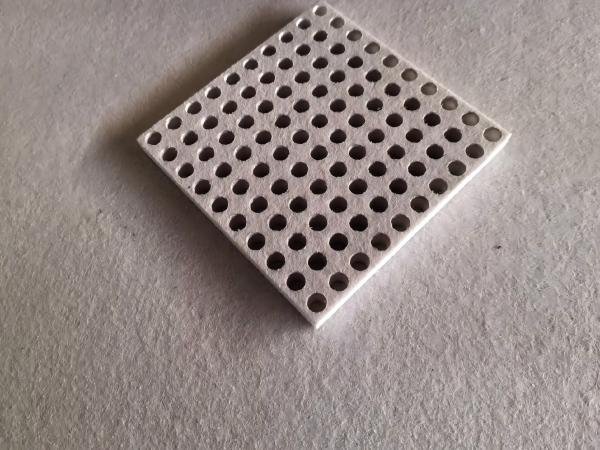
Some PET acoustic panels require holes for installation, connection, or other design purposes.
A milling tool can process holes at programmed positions. The cutter diameter determines the hole size, while the CNC program controls the machining position.
This function is useful when manufacturers need consistent hole positions across multiple panels. The CNC system follows the programmed machining path and reduces the need for manual positioning.
Special Milling and Local Processing
Custom acoustic panels may include special grooves, recessed areas, or other local structures.
A conventional oscillating knife mainly performs cutting through the material. It cannot replace a rotating milling cutter for typical milling operations.
The milling tool gives manufacturers more options when they develop new panel designs. It also allows them to combine contour cutting and selected milling operations on one machine when the configuration supports these processes.
What Is the Difference Between an Oscillating Knife and a CNC Milling Tool?
Not all cutting tools perform the same job. Choosing the wrong tool can limit your processing options.
An oscillating knife uses high-frequency up-and-down movement to cut materials. A CNC milling tool uses a rotating cutter to remove material and create grooves, holes, and special features.

Different Working Principles
An oscillating knife moves up and down at high frequency. It is suitable for cutting the outer contours of PET acoustic panels and producing different shapes.
A milling tool rotates at high speed. Its cutting edges remove material from the panel to create grooves, holes, and other machined features.
These two tools use different working principles. They also serve different production purposes.
Different Processing Capabilities
| Processing Task | Oscillating Knife | CNC Milling Tool |
|---|---|---|
| Outer contour cutting | Suitable | Depends on cutter and setup |
| U-shaped grooves | Not suitable for typical milling grooves | Suitable |
| Hole drilling | Limited | Suitable |
| Local milling | Not suitable | Suitable |
| Through cutting | Suitable | Depends on tool and setup |
Why Do Manufacturers Need Both Tools?
I do not recommend treating the oscillating knife and milling tool as competing options. They complement each other.
The oscillating knife handles basic panel cutting. The milling tool handles additional machining operations that require material removal through rotation.
For manufacturers who only produce simple panel shapes, an oscillating knife may meet their current needs. However, manufacturers who want to process U-shaped grooves, holes, and special structures should consider a milling tool.
The right combination depends on the actual products and production plans.
Why Must the Milling Tool Be Installed Before the Machine Leaves the Factory?
Some buyers believe they can purchase a basic machine first and add more tools later. However, the milling tool has a different installation requirement.
Unlike regular cutting tools, the CNC milling tool must be installed before the machine leaves our factory. Customers cannot simply purchase it later and install it as an independent tool.

The Milling Tool Is Different from Regular Cutting Tools
Regular cutting tools, such as oscillating knives and V-grooving tools, can be selected or changed according to the machine configuration and compatible tool system.
The milling tool is different. It requires dedicated installation and integration during the machine manufacturing process.
I want customers to understand this difference before placing an order. If a machine leaves our factory without the milling configuration, the customer cannot simply add the milling tool later in the same way as a regular cutting tool.
Therefore, customers need to confirm this requirement during the initial machine configuration.
What Happens If You Need Milling Functions Later?
Let me give you a practical example.
Imagine that you run a PET acoustic panel factory. When you first purchase a CNC cutting machine, your main products only require rectangular and irregular contour cutting.
You choose a machine with an oscillating knife because it meets your current production requirements.
Six months later, your business grows. You receive new orders that require U-shaped grooves and installation holes.
Now, your original machine does not have a milling tool. You cannot simply purchase a milling cutter and install it on the machine.
You may need to invest in another machine that supports milling operations.
This situation can increase your equipment investment and make production planning more difficult.
How Can You Avoid This Problem?
I recommend discussing your future processing requirements before the machine enters production.
You do not need to predict every order that you will receive. However, you should consider whether your product range may expand to include U-shaped grooves, holes, or special milling operations.
A clear discussion during the purchasing stage helps us recommend the right configuration from the beginning.
Why Is Including a Milling Tool in the Initial Configuration More Cost-Effective?
Saving money during the first purchase does not always mean reducing long-term costs.
A milling tool may increase the initial machine investment, but it can help you avoid larger equipment expenses if your processing requirements change later.
Avoid Additional Equipment Investment
When your factory starts receiving orders for U-shaped grooves or hole drilling, you need a machine that can perform these operations.
If your original machine does not include a milling tool, you may need to purchase another machine.
By including the milling tool in the initial configuration, you prepare your equipment for these additional processes from the beginning.
This approach can help you avoid unnecessary equipment investment in the future.
Prepare for Future Business Growth
Your production requirements may change as your business grows.
You may start with simple PET acoustic panels and later develop more complex products. Your customers may also request different groove designs, mounting holes, or custom structures.
A machine with a milling configuration gives you more processing options. You can accept a wider range of orders without immediately needing another machine for these milling operations.
Improve Production Flexibility
A CNC machine with both an oscillating knife and a milling tool can handle different processing tasks according to its configuration.
The oscillating knife handles contour cutting, while the milling tool performs grooving, drilling, and local milling.
This combination helps manufacturers reduce the need to transfer work between different machines. It also gives production teams more flexibility when handling different panel designs.
Initial Configuration vs. Later Investment
| Comparison | Initial Milling Configuration | Without Milling Configuration |
|---|---|---|
| Basic contour cutting | Available | Available |
| U-shaped grooving | Available | Not available |
| Hole drilling | Available | Not available |
| Future milling orders | Can be handled | Requires another solution |
| Later equipment investment | Can be avoided for these functions | May be required |
| Production flexibility | Higher | More limited |
I do not suggest that every manufacturer must purchase every available tool. I recommend evaluating your current products and future plans before making the decision.
However, if you expect to need milling functions, including the tool in the initial configuration is a more practical choice.
How Should You Decide Whether Your CNC Machine Needs a Milling Tool?
Not every PET acoustic panel manufacturer has the same production requirements. I recommend checking three points before choosing your machine configuration.
Evaluate Your Current Processing Requirements
First, check your current product designs.
Do your panels require U-shaped grooves? Do you need installation holes or special recessed structures?
If your production already includes these operations, a milling tool should be part of your initial configuration.
Consider Your Future Product Plans
You should also consider your future product development.
If you plan to develop more decorative acoustic panels or accept customized orders, your processing requirements may become more complex.
A milling tool can provide additional machining capabilities and help you prepare for these changes.
Consider Your Long-Term Investment Plan
Your equipment purchase should support your business development.
If you want one machine to handle both basic contour cutting and additional milling operations, I recommend considering the milling configuration from the beginning.
If you only need basic contour cutting and have no plans for milling operations, you can choose a simpler configuration based on your actual budget.
I believe the best machine is not necessarily the one with the most tools. It is the one that matches your production needs and future plans.
Why Choose AMOR CNC for PET Acoustic Panel Cutting?
Choosing a CNC machine is not only about selecting a model. The tool configuration also determines which processing operations your machine can perform.
At AMOR CNC, I recommend machine configurations based on the customer’s materials, product designs, and production requirements.

Our CNC cutting solutions can include:
- Oscillating Knife: For cutting PET acoustic panel contours and different shapes.
- CNC Milling Tool: For U-shaped grooves, hole drilling, and special milling operations.
- V-Grooving Tool: For V-shaped grooves and related panel processing.
- Automatic Nesting: To optimize cutting layouts and reduce material waste.
I also recommend that customers share their material samples and CAD drawings before purchasing. Our team can review the required processes and help select a suitable configuration.
This approach helps customers avoid choosing a machine based only on its basic specifications.
Conclusion: Should You Include a Milling Tool in Your First CNC Machine Purchase?
A CNC milling tool expands PET acoustic panel processing by adding U-grooving, hole drilling, and special milling capabilities. Since the tool must be installed before the machine leaves our factory, I recommend considering it during your first purchase. This decision can prepare your factory for future production needs and help avoid additional equipment investment.