Wrong machine, wasted leather, delayed orders, unhappy workers.
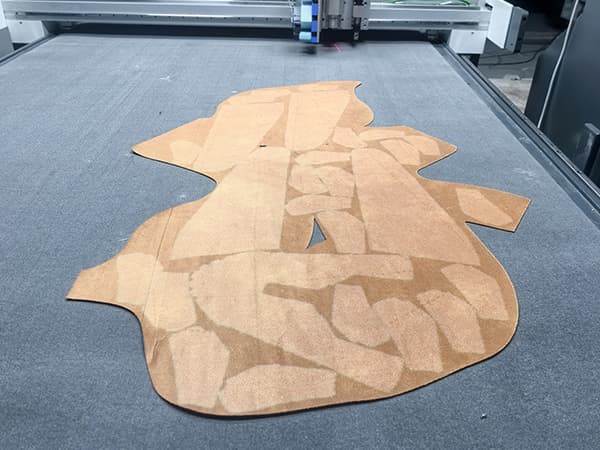
I choose a CNC leather cutting machine by checking five things first: material type, cutting tools, vacuum hold-down, transmission system, and software workflow. For shoes, bags, and sofa upholstery, the right machine must cut genuine leather cleanly, hold it firmly, mark it clearly, and run stably on long working tables.
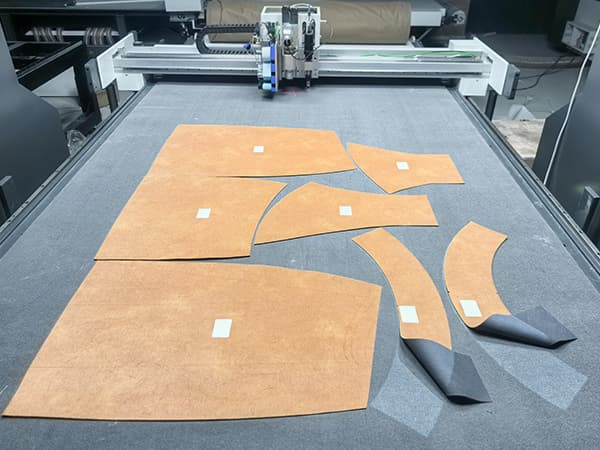
If I only look at machine price, I will miss the real cost. The real cost comes later, from wasted leather, unstable cutting, slow marking, bad nesting, and weak long-table movement. That is why I always tell buyers to slow down before they choose fast. This decision affects daily production, labor cost, and delivery speed for years.
What problems should a CNC leather cutting machine solve first?
Manual cutting looks cheap, but losses grow fast.
A good machine should solve four direct problems: leather waste, unstable quality, slow cutting, and hard worker training. If the machine cannot improve these four points, it will not really help a shoe factory, a bag workshop, or a sofa upholstery plant.
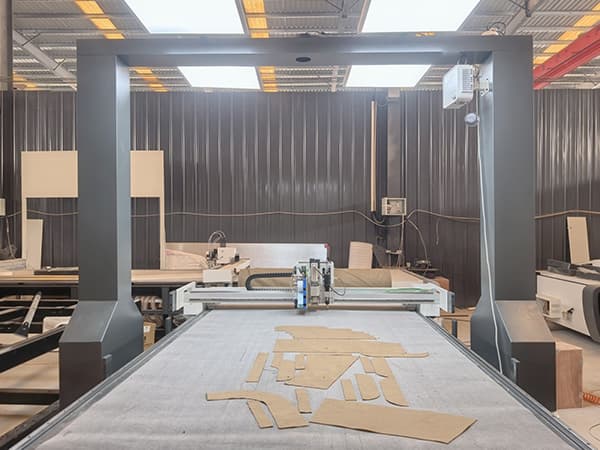
Why is leather cutting harder than many buyers expect?
I often see buyers compare leather cutting with fabric cutting. I do not think that is accurate. Genuine leather is more expensive, more irregular, and less predictable. One hide is never exactly the same as the next one. Thickness changes. Surface grain changes. Natural scars and holes appear. Stretch direction also changes. Because of this, a leather cutting machine must do more than just follow a line.
For shoes, the buyer usually wants small parts, many style changes, and stable repeated size sets. For bags, the buyer wants clean edges, clear marks, and accurate assembly reference points. For sofa upholstery, the buyer wants large-format cutting, stable hold-down, and smooth movement across long working lengths. These needs are different, but the core problem is the same: the factory wants to turn expensive genuine leather into qualified finished parts with less waste.
What should I check before I ask for machine price?
I always ask these basic questions first:
| What I check | Why I check it |
|---|---|
| Leather type and thickness | Tool choice depends on this |
| Largest part size | Table size depends on this |
| Daily output target | Speed and workflow depend on this |
| Need for marking or punching | Tool configuration depends on this |
| Order type | Custom orders need better software and nesting |
I do not trust any quotation that comes before these answers. A supplier can give me a low price very quickly. That does not mean the machine will fit my work. In my experience, the wrong machine usually fails in small details. It may cut, but it may not mark well. It may move, but it may not stay accurate over a long table. It may look similar to another machine, but daily use will show the difference very quickly.
Which tool configuration is the most practical for leather factories?
Too many tools confuse buyers and raise cost.
For most genuine leather cutting work, I prefer a practical starting point: one electric oscillating cutting tool and one marking tool. This combination fits many shoe, bag, and sofa upholstery jobs because it covers clean contour cutting and clear production marking without making the machine too complex.
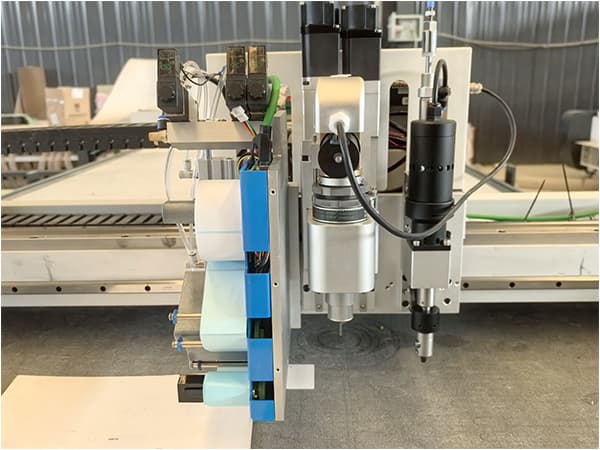
Why do I recommend the electric oscillating cutting tool?
I recommend the electric oscillating cutting tool because genuine leather needs controlled cutting force and clean edge performance. A simple drag knife can work on some soft materials, but leather usually asks for better stability, especially when the shape has curves, corners, or frequent detail changes. The electric oscillating tool helps reduce pulling and improves cut consistency.
I also like this tool because it is easy to match with leather production. In shoe factories, it handles upper pieces, lining shapes, and edge curves well. In bag factories, it works well for detailed panels and repeated outlines. In sofa upholstery, it can cut large leather pieces cleanly as long as the table and vacuum system are also designed well.
Why is the marking tool so important?
Many buyers focus only on the cutting result. I think that is too narrow. The sewing and assembly team also matter. A marking tool helps the next process find stitch lines, alignment points, fold references, and position marks quickly. That means fewer mistakes after cutting.
For shoe parts, marking supports pair matching and upper assembly. For bags, marking helps workers identify reference points and hardware positions. For sofa upholstery, marking helps large pieces move into sewing and assembly with less confusion. I have seen factories lose time every day because they saved money by removing the marking tool from the quotation. That saving is usually false. It simply moves the cost to the next process.
When should I add more tools?
I only add more tools when the process truly needs them. If the customer needs many process holes, then I may suggest a punching tool. If the customer needs defect scanning or high-level nesting on irregular hides, then I focus more on software, vision, or projection support. I do not like adding tools just to make the machine look more advanced. I only add tools when they solve a real production problem.
Why does the vacuum hold-down system matter so much?
Soft leather moves fast, even when I do not want it to.
If genuine leather is not held firmly, even a good blade will not give a good result. That is why I usually recommend an 8–16 zone vacuum adsorption system for a CNC leather cutting machine. Zoning gives me better control over suction and helps the machine hold irregular hides more effectively.
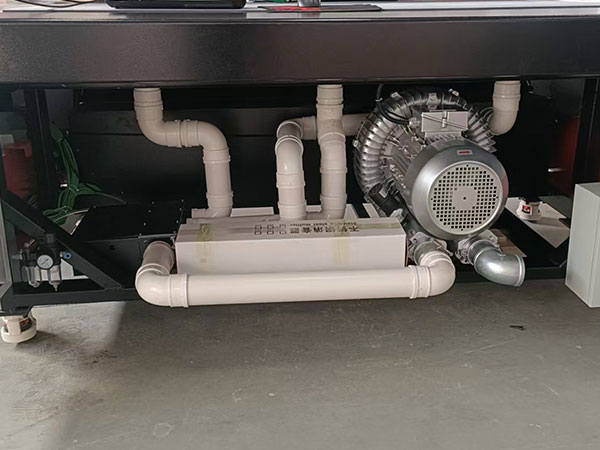
Why do I prefer 8–16 vacuum zones?
A full hide is not a regular sheet. It has an irregular outline, and it may only cover part of the table. If I use a simple vacuum table with poor zoning control, a lot of suction will be lost in the uncovered areas. That weakens the hold-down force on the actual leather. With 8–16 zones, I can open only the working areas I need and close the rest. That makes suction more efficient.
This matters even more when the parts are large. Sofa leather panels often have wide curves and long cutting paths. If the edge lifts slightly during cutting, the finished size can shift. The same logic applies to bag panels and shoe uppers. Small movement at the cutting stage can become bigger trouble at the sewing stage.
What is the practical difference between 8 zones and 16 zones?
I use a simple rule. If the production is standard and the table size is moderate, 8 zones can already do a good job. If the customer has more irregular hides, more mixed part sizes, or larger daily output, 12 or 16 zones give better control.
Here is a simple visual guide:
Vacuum control level8 zones   ██████
12 zones  █████████
16 zones  ████████████
This chart is simple, but the idea is clear. More zones mean better suction control. Better suction control means better leather stability. Better stability means better cutting quality.
What else affects leather hold-down?
Vacuum zoning is important, but table surface and pump matching also matter. If the table is not flat enough, the leather will not sit well. If the pump is too weak, zoning will not save the result. If the hide is very soft and large, the operator also needs a simple and clear loading method. I do not isolate one factor from the rest. I look at the whole hold-down system together.
Why do I recommend rack transmission for leather cutting machines?
Long working tables expose weak motion systems.
For leather cutting, especially in sofa upholstery and other large-format jobs, I recommend rack transmission instead of belt transmission. I say this because long cutting lengths need stronger and more stable movement. A machine may look fine at low speed or in a short test, but daily production over a long table is much more demanding.
Why is belt transmission not my first choice for long tables?
Belt transmission has its place. It can work on lighter-duty systems or shorter motion lengths. Still, when the working table becomes long, the weakness becomes clearer. Belt tension can change over time. Stretch can affect repeatability. High-speed motion over long travel asks for better long-term consistency than many belt systems can provide.
That is why I prefer rack transmission when the machine is built for real leather production on long beds. Sofa factories often need wide and long parts. Leather cutting lines with automatic feeding or long tables also place more demand on the transmission system. Rack transmission is more suitable for these conditions because it gives stronger mechanical support and more stable motion.
Where do buyers feel this difference most clearly?
They feel it in these production scenes:
| Application scene | Why rack transmission helps |
|---|---|
| Large sofa panels | Long travel needs stable motion |
| Long machine beds | Accuracy must stay stable end to end |
| Higher daily output | Repeated movement needs durability |
| Automatic feeding lines | Continuous work needs strong transmission |
I do not think buyers should ignore this point. Many machine quotes only show working size, motor power, and tool list. The transmission system is often hidden in one short line. Still, that one short line can change the whole machine experience.
What about beam strength and structure?
I pay attention to crossbeam structure because it affects motion stability and cutting response. A weak beam can shake more during fast cutting. That affects edge quality and position accuracy. I do not need to make this part too complicated, but I do want buyers to ask about beam structure, wall thickness, and assembly accuracy.
Here is a simple concept view:
Motion stability factorsTransmission system   ███████████
Crossbeam strength    █████████
Assembly accuracy     ██████████
Tool holder rigidity  ████████
This is not a lab test chart. It is a buying logic chart. I use it to remind buyers that motion quality is not decided by one part alone.
How should I match the machine to shoes, bags, and sofa upholstery?
Different leather industries ask different questions.
I do not sell the same leather cutting solution to every buyer. I match the machine to the actual product type, part size, workflow, and daily output. Shoes, bags, and sofas all use genuine leather, but their production priorities are not the same.
What do shoe factories care about most?
Shoe factories usually care about repeated part accuracy, size grading consistency, fast switching between styles, and easy downstream assembly. Many shoe parts are not large, but the quantity is high and the structure is detailed. That means I focus on edge quality, marking clarity, and software efficiency. If the machine saves only cutting time but creates confusion in the next step, it is not a good shoe-cutting solution.
What do bag factories care about most?
Bag factories care about detail, visual quality, and process consistency. Many bag panels need clean lines and stable matching points. Some parts also need process holes or hardware positions. In this case, I want the electric oscillating tool to cut cleanly, and I want the marking system to support the sewing team clearly. I may add a punching function if the actual production needs it.
What do sofa upholstery factories care about most?
Sofa upholstery factories care about large patterns, hide utilization, stable suction, and smooth long-distance motion. This is where vacuum zoning and rack transmission become even more important. A sofa factory can lose a lot of money very quickly if large leather panels shift during cutting. That is why I pay more attention to table design, suction area control, and motion structure for this industry.
What is my final buying advice?
Cheap choice often becomes an expensive lesson.
I do not choose a CNC leather cutting machine by appearance alone. I choose it by system logic. I want the cutting tool to match genuine leather. I want the marking tool to help the next process. I want 8–16 vacuum zones to hold irregular hides better. I want rack transmission to support long tables more reliably. I want the machine to fit shoes, bags, or sofa upholstery based on real production needs, not based on general sales talk.
If I am buying for long-term use, I will ask the supplier to test my real material, show the marking result, explain the vacuum zoning, and confirm the transmission type clearly. That is how I reduce risk. That is also how I protect leather yield, worker time, and order delivery.
Choose the right system, and leather cutting becomes easier.