Bad grooves waste boards. Slow cuts waste profit.
I choose a fiberglass duct board cutting machine by checking software, cutting method, speed, groove quality, and machine stability. For square duct production, an AMOR CNC solution gives me cleaner grooves, better cut accuracy, and easier operation with lower long-term software cost.
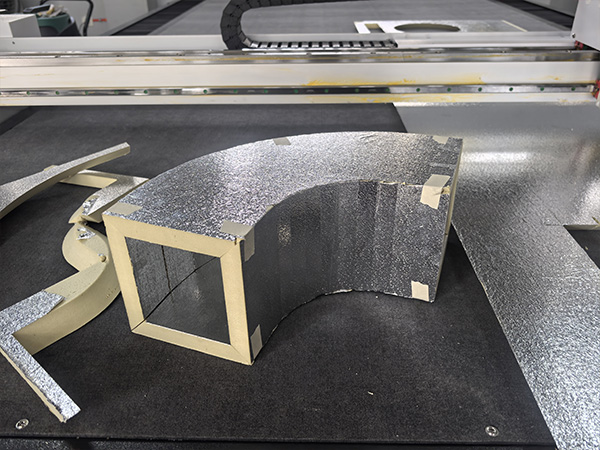
If I want clean grooves, accurate cuts, and fast output, I cannot look only at machine size or price. I need to check how the machine really works in daily duct production. I also need to see whether the software is easy, whether the tool is right for the material, and whether the machine can keep stable output for long hours. That is where many buyers make the wrong choice. They buy a machine that looks similar on the outside, but the real result on fiberglass board, phenolic board, or resin board is very different. So I want to break this question into simple parts and make it clear before the next wrong purchase happens.
Why is software the first thing I check when choosing a machine?
Hard software turns simple work into daily stress.
I always check whether the machine includes ready duct design software, because easy software saves training time, reduces mistakes, and lowers long-term cost. For phenolic and fiberglass duct production, built-in pattern libraries are often more valuable than fancy but complicated functions.
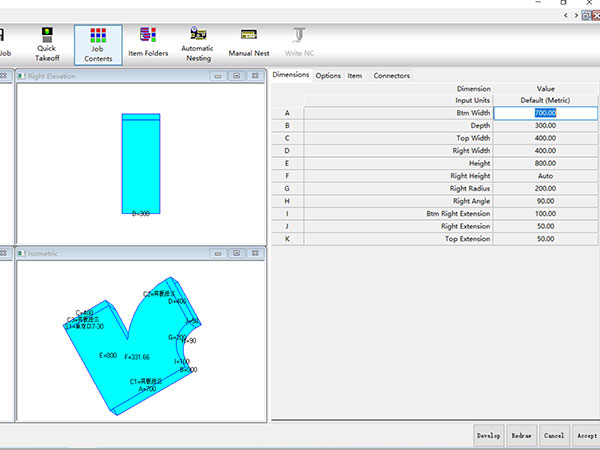
I do not want software that makes simple duct work feel hard
When I talk with duct board buyers, I often see the same problem. Many people think cutting quality starts from the tool. That is only half true. In real production, cutting quality starts much earlier. It starts from drawing, nesting, and path setup. If the software is hard to learn, the operator will slow down. If the software needs complicated programming, mistakes will happen. If the software charges a yearly fee, the real machine cost goes up year after year.
That is why I put software first. In the AMOR CNC solution, I can use a built-in duct design library for phenolic duct shapes. I do not need to build every file from zero. I do not need to depend on a programmer for simple square duct production. I can input dimensions, generate the layout, export the cutting path, and move to production much faster. That matters a lot in shops that handle many small custom orders.
Simple software is not a small advantage
A simple system affects four real factory results:
| Item | Complicated system | Simple AMOR CNC approach |
|---|---|---|
| Operator training | Long learning time | Faster to learn |
| Drawing errors | More likely | Lower risk |
| Production speed | Slower file prep | Faster order change |
| Software cost | May need yearly renewal | Lifetime use, no yearly renewal |
I have seen many factories focus only on machine hardware and ignore software cost. That is a mistake. A machine may look cheaper at first, but if the software needs renewal every year, the total ownership cost keeps rising. For a buyer who wants a practical fiberglass duct board cutter, lifetime software use is a direct cost advantage.
My view on the right software for duct work
For square duct production, I do not need software that looks complex and impressive. I need software that lets ordinary operators do the job well. I need clear duct templates. I need fast dimension input. I need output that matches the cutting process. I need less training, not more training. In daily production, the best software is often the one that removes steps.
Why does the cutting tool matter more than many buyers expect?
A wrong tool makes a good machine look bad.
I always check whether the machine uses an active oscillating cutting tool or only a passive cutting method. For fiberglass board, phenolic board, and resin board, an oscillating tool usually gives cleaner grooves, lower cutting resistance, and better blade life.

I prefer active cutting, not passive dragging
This is one key point that many buyers miss. Not all cutting systems work the same way. Some machines use passive cutting tools. These tools depend more on drag and pressure. That may work for some softer or thinner materials, but it is not the best way to handle boards that need both cutting and grooving with stable quality.
AMOR CNC uses an oscillating cutting tool. That means the blade is doing active cutting work instead of only being pushed through the board. In practical terms, this helps me in three ways. First, the tool can cut phenolic board, resin board, and fiberglass wool board more smoothly. Second, the blade faces less pure dragging force, so blade wear can be lower. Third, the machine can keep better speed while protecting groove quality.
Why groove quality depends on the cutting action
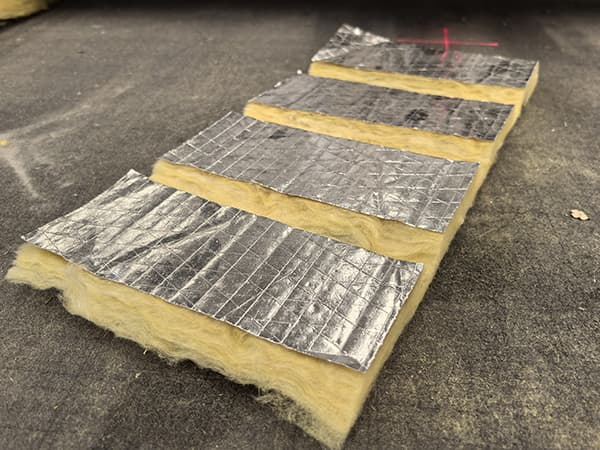
A duct board machine does not only cut outlines. It also needs to make grooves that fold well and hold correct angles. If the groove is rough, too shallow, too deep, or inconsistent from one side to another, the final duct assembly becomes harder. The operator will spend more time fixing what the machine should have done right the first time.
I look at groove quality in a very practical way:
- Does the groove line stay straight?
- Is the groove depth stable?
- Does the surface tear?
- Does the fold line look clean after assembly?
- Can the machine keep this quality during long runs?
An oscillating cutting tool gives me a better chance to hit those goals on insulation boards that are not easy to process.
A simple visual comparison
Here is the way I explain it to buyers:
Cutting method effect on duct board processing
Passive cutting: ████□□
Oscillating cutting: ██████
Blade life potential
Passive cutting: ███□
Oscillating cutting: █████
Groove cleanliness
Passive cutting: ███□
Oscillating cutting: █████
This is a simple view, not a lab chart. Still, it reflects what many factories care about most: smooth processing, less blade stress, and cleaner finished duct parts.
What machine structure supports accurate cuts and fast output?
Weak parts cause strong problems.
I do not trust speed claims unless the machine structure, drive system, and electrical parts can support them. Accurate cuts and fast output depend on frame stability, servo control, tool motion, and reliable components.
Speed without stability is only marketing
A buyer may see high speed numbers in a brochure and feel excited. I understand that. But I care more about useful speed than empty speed. Useful speed means the machine can keep accuracy while running faster. If the frame shakes, if the gantry is not rigid enough, or if the servo response is weak, the final cut quality will suffer.
That is why I look at machine build quality. AMOR CNC uses core components such as Mitsubishi servo motors and Schneider Electric parts. These are not decorative names. These parts affect motion control, machine response, electrical stability, and long-term reliability. In daily factory use, that means fewer surprises and more consistent production.
Accuracy is built from several small things
Many buyers ask one question: “What is the accuracy?” I think that question is too simple. Accuracy does not come from one part. It comes from the full machine system working together:
Frame rigidity
A rigid welded frame helps reduce vibration. Less vibration supports straighter cuts and cleaner groove lines.
Servo motion control
A good servo system helps the machine start, stop, and turn more accurately. This matters when I cut corners, short edges, and repeated shapes.
Tool holder design
Stable tool movement helps keep the groove depth and cutting direction under control.
Electrical reliability
Good electrical parts help the machine run steadily for long hours. That matters in production seasons when downtime costs real money.
A practical production view
I do not buy a machine only for one perfect sample. I buy it for daily production. In a normal shift, the machine may cut one size, then switch to another, then repeat that change many times. If the structure is weak, small errors begin to grow. That is how scrap increases. That is how labor time rises. That is how delivery dates start slipping.
For this reason, I prefer a cnc duct fabrication machine that is made for practical factory work, not just for showroom demonstration.
How do I balance price, value, and real production needs?
Cheap mistakes cost more than a fair machine.
I do not choose a machine by initial price alone. I compare software cost, blade life, cut quality, operator training, spare part quality, and real duct production experience. In many cases, a better-value machine gives lower total cost over time.
I always look at total cost, not only machine price
A low machine price can be attractive. I understand that. But I have also seen what happens after purchase. The buyer starts facing hidden costs: software renewal, higher blade use, slower operation, more training, more scrap, and more maintenance. At that point, the “cheap” machine stops being cheap.
That is why I prefer to compare value in a full way.
| Cost factor | Low-price mindset | Real value mindset |
|---|---|---|
| Machine price | Lowest first | Balanced with performance |
| Software | Often ignored | Lifetime use matters |
| Blade use | Not calculated | Affects monthly cost |
| Training time | Often ignored | Affects labor efficiency |
| Scrap rate | Hidden cost | Direct profit loss |
| Stability | Underestimated | Key for long runs |
Why AMOR CNC is more suitable for phenolic duct production
From my view, AMOR CNC is especially suitable for phenolic duct production for three simple reasons.
1. The operation is easy
The machine includes a duct design library. I do not need complicated programming for standard square duct work. I also do not need to pay yearly software renewal fees. That is a real saving.
2. The cutting tool is more suitable
The machine uses an oscillating cutting tool, not a passive cutting method. This is better for phenolic board, resin board, and fiberglass wool board. It helps improve cutting and grooving quality, extends blade life, and supports higher processing speed.
3. The value is stronger
The machine is built with quality core parts like Mitsubishi servo motors and Schneider Electric components. At the same time, the price-performance ratio is strong. I get machine quality, practical production ability, and mature industry experience in phenolic duct fabrication.
My final buying logic
When I help a buyer choose a machine, I do not ask, “Which machine is cheapest?” I ask, “Which machine helps me produce more good ducts with less waste, less training, and less hidden cost?” That question gives a better answer. In many real factory cases, that answer leads to a practical, stable, and cost-effective AMOR CNC solution.
Clean grooves come from the right machine, not from luck.