
One Beam, Two Heads: How Dual-Head Oscillating Knife Cutters Double Efficiency
Every factory I visit has the same headache. Customers want faster delivery. Orders are small, customized, and urgent. At the same time, bosses want lower costs and higher profit.
That’s the classic triangle: speed, quality, cost. With a traditional single-head cutting machine, you can balance two of them, but the third one suffers. Want more speed? Costs rise. Want lower cost? Speed drops.
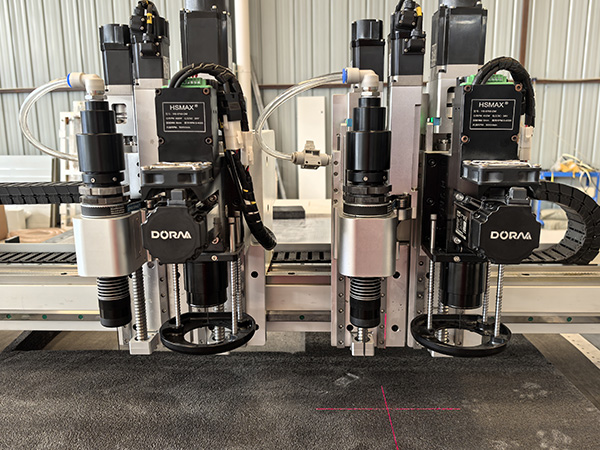
That’s why we built something different at AMOR CNC. A dual-head oscillating knife cutting machine. Two tool heads. One beam. And a very simple promise: twice the work in the same amount of time.
HVAC Phenolic Ducts Made Simple: Multi-Tool CNC Lines for Angled Grooves & Miters?
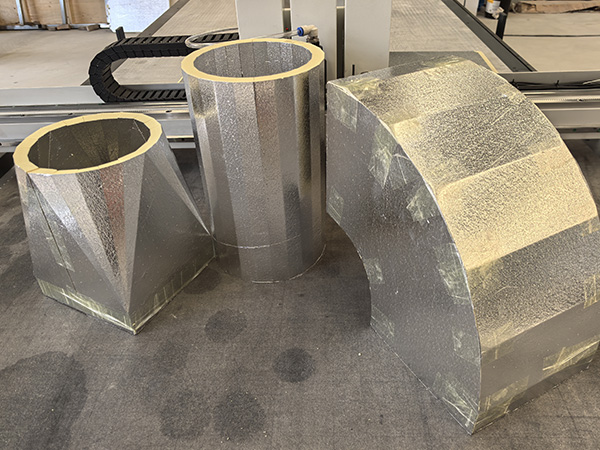
Manual bevels drift, milling throws dust, angle changes kill time, rework eats margin.
I use a multi-tool CNC line with small-angle and 45° bevel tools plus an oscillating knife. Software sets angles. Operators press “Start”.
Yes—CNC lines with 5°–45° bevel tools and automated design software make phenolic duct fabrication faster, cleaner, and more repeatable than manual or milling-only setups. Expect higher throughput and tighter miters.
Keep reading if you want angle recipes, speed hints, and a simple ROI you can defend in a meeting.
A Two-Day Training in Singapore: How AMOR CNC Duct Cutting Machines Prove Their Value
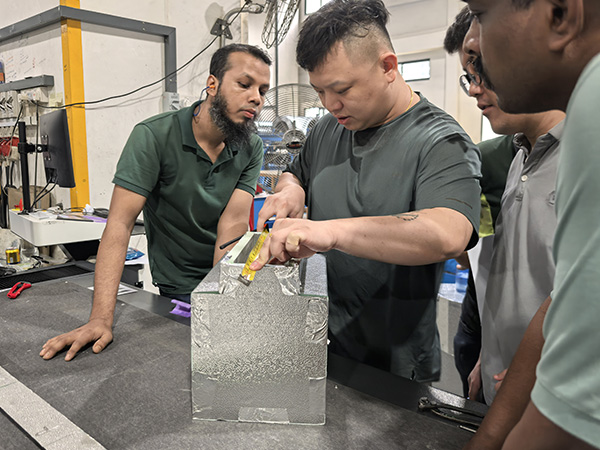
When you buy a CNC duct cutting machine, you don’t just buy steel, motors, and software—you buy peace of mind.
This is the story of how I, Jeff, an AMOR CNC engineer, traveled to Singapore to train a professional duct manufacturer. In just two days, their team went from cautious first steps to confident production. Along the way, we solved real-world issues and showed why AMOR CNC’s phenolic foam duct cutting machines stand out.
Leather 4.0: Vision-Guided Nesting to Cut Genuine Leather Faster and Waste Less
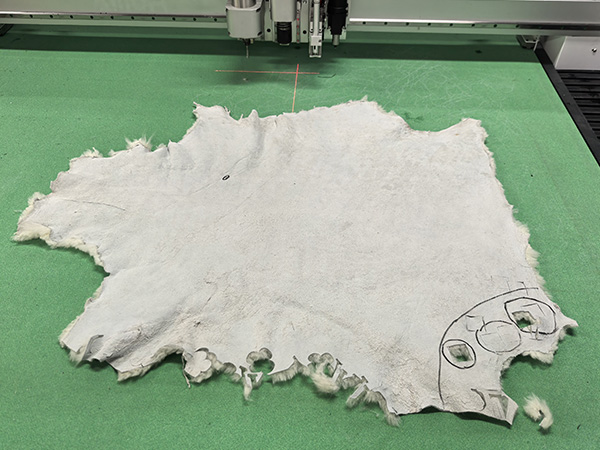
Leather waste hurts margins. Missed scars slip into visible panels. Grain rules get broken. Approvals drag. Yield swings daily. Teams feel the pressure. You need a repeatable way to place parts, not Friday-afternoon guesswork.
Adopt vision-guided nesting: scan the hide, map defects, enforce grain/pair rules, auto-nest parts. Expect 76–85% utilization, 6–10 min/operator per hide, and 1–3% rework. Fast, consistent, auditable.
Want clear setup rules, tool picks, KPI targets, and a 6–12 month ROI plan?
Top 10 Questions for HVAC Phenolic Duct Manufacturers to Choose CNC
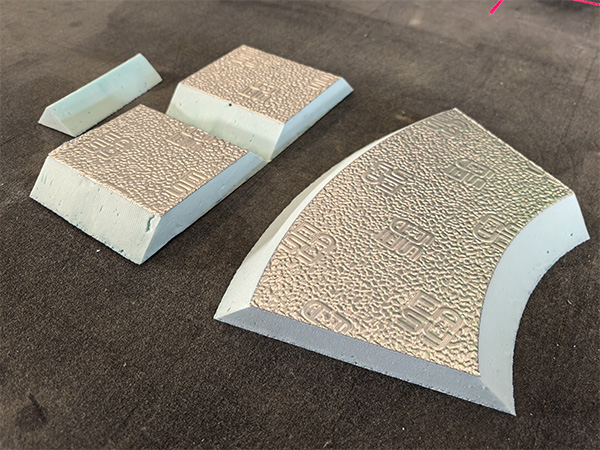
Manual grooves drift. Miters don’t fit. Dust is everywhere.
Jobs slip. Rework explodes. Margins shrink. Your best operator becomes the bottleneck.
AMOR CNC runs a multi-tool CNC line for phenolic panels. Angles from 5°–45° are preset in software. Cuts are cold, clean, and repeatable. I’ll answer your 10 biggest questions—plain and fast.
High-Thickness EPE/EVA Foam Cutting: Tooling Setups that Keep Edges Clean

Cutting 50–100 mm EPE/EVA cleanly isn’t luck—it’s tooling. Which head (pneumatic vs 400W), what passes, and how to stop fuzz, smear, or part lift? See setups, tables, and ROI.
Cutting PVC-Coated Tarpaulin & Technical Textiles Without Fumes: Knife vs. Laser
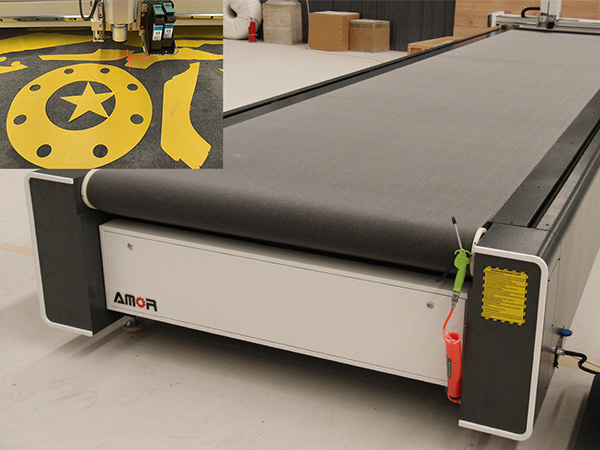
If you cut PVC-coated tarpaulin or vinyl-laminated textiles, switch to a CNC knife. You’ll avoid toxic laser fumes, keep edges clean, and reduce maintenance headaches. Your EHS team will thank you.
Why CNC Oscillating Knives Beat Traditional Methods for Gasket Manufacturing

Custom gaskets need speed, clean edges, and zero drama. CNC oscillating knives deliver all three—without dies, burns, or water mess. If you make non-asbestos, graphite-reinforced, PTFE, rubber, or composite gaskets, this is the smarter, faster, and greener path.
Choosing the Right Oscillating Tool for EVA & EPE Foam Cutting: A Practical Comparison of 4 Power Tools
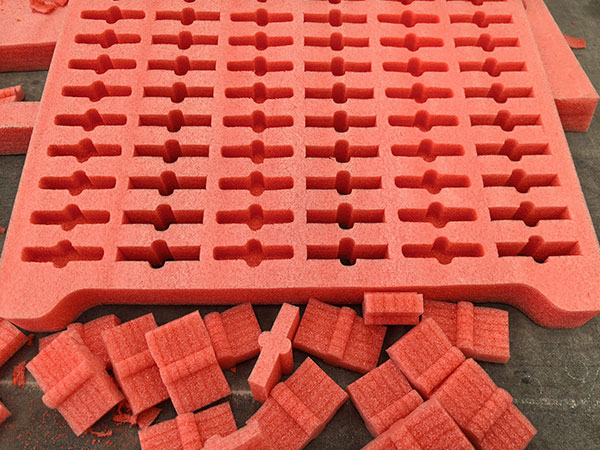
Cutting EVA and EPE foam for packaging inserts may seem simple. But if you’ve ever dealt with poor edge quality, overheating blades, or rough cuts—then you know the tool matters.
The type, thickness, and hardness of your foam directly affect cutting quality and speed. Choosing the wrong oscillating tool can lead to inefficiency, material waste, or even tool failure.
This guide compares four essential oscillating tools and teaches you how to match them to different foam types, thicknesses, and hardness levels—for perfect cuts every time.
How to Cut and Groove 9–50mm Polyester Fiber Panels on One CNC Machine: The Tool Selection Guide
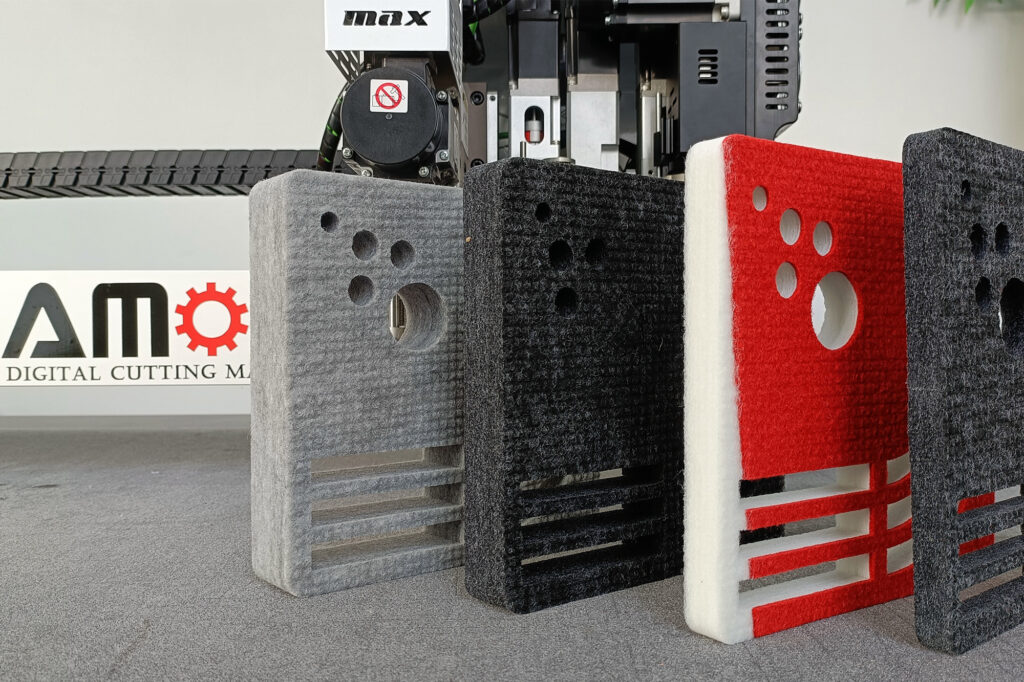
Polyester fiber acoustic panels are widely used in modern architecture and interior soundproofing design. As more manufacturers enter this industry, many customers ask a crucial question:
Can one CNC oscillating knife cutting machine handle everything from 9mm to 50mm panels—cutting and V-grooving included?
The answer is: yes—but only if you select the right tool combinations based on material thickness and density.
This article explains how to match cutting and grooving tools correctly to different panel types, and how to configure one machine to meet all requirements—from thin, rigid boards to thick, soft ones.