How to Choose the Right CNC GenuineLeather Cutting Machine for Your Factory

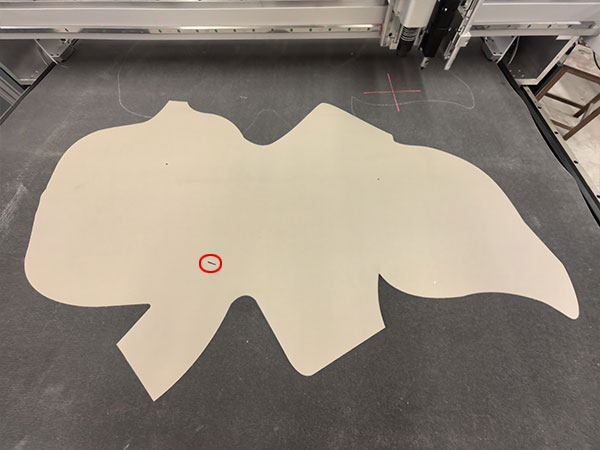
Cutting leather has always been tricky.

It’s not like fabric. Leather is expensive, irregular, and full of natural flaws.


In the past, factories relied on manual cutting and heavy die-cut molds. That meant high labor costs, wasted material, and slow turnaround.


Today, CNC leather cutting machines change the game. They cut faster, smarter, and without molds. But here comes the real question: how do you pick the right machine for your factory?


Let’s break it down into simple points.

How to Cut Rock Wool, Glass Wool, and Ceramic Fiber with CNC Oscillating Tools

How to Cut Rock Wool, Glass Wool, and Ceramic Fiber with CNC Oscillating Tools

If you’ve ever handled insulation materials like rock wool, glass wool, or ceramic fiber, you know one thing: they’re not easy friends. They itch, they scatter fibers everywhere, and they turn your workshop into a dusty battlefield.


Traditional cutting? Messy. Slow. Sometimes dangerous. That’s why more factories are moving to CNC oscillating knife cutting machines. They’re clean, fast, and precise.


In this guide, I’ll share how we cut these tricky materials with the right tools, based on what I’ve seen in real factories.


From Toy Blocks to Protective Packaging: EVA/EPE Foam Cutting Applications Explained

EVA EPE Foam Cutting for Toy

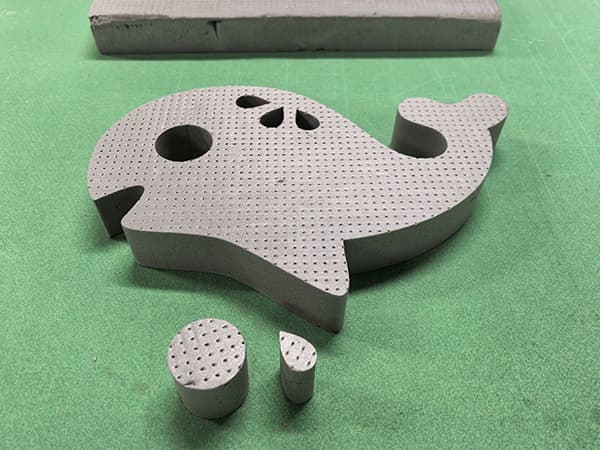
EVA and EPE foams are everywhere. Kids play on them. Factories pack expensive tools in them. Athletes train with them.


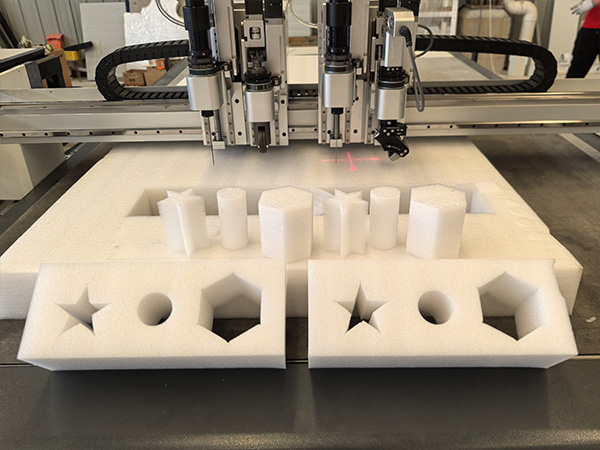
But here’s the tricky part: each industry needs the foam cut differently. A toy factory needs safe, colorful blocks. A packaging company needs perfect nesting for fragile products. And an insulation manufacturer just wants speed and strength.


I’ve worked with all of them. And I’ve seen the same question again and again: “Which tool should I use to cut EVA or EPE foam?”


This article gives you the practical answers—straight from my experience in customer workshops.


5 Common EVA/EPE Foam Cutting Problems—and How to Fix Them

EVA and EPE foams are everywhere. Packaging inserts, toy blocks, tool cases, even sports mats. They are light, protective, and easy to shape.


But here’s the catch: cutting them cleanly is not always simple. I’ve visited factories where operators complain about rough edges, uneven depth, or machines slowing down with thicker foam. Trust me, I’ve seen it all.


In this article, I’ll walk you through 5 common cutting problems I often encounter in the EVA/EPE foam industry—and more importantly, how to fix them.


From Rubber to PTFE: How CNC Gasket Cutting Machines Handle Different Materials

Let’s be honest—gasket materials can be a real headache.

One day you’re cutting soft rubber that stretches like chewing gum.

The next day, you’re facing PTFE that’s so slippery it feels like cutting butter on ice.


And if that’s not enough, some customers will throw in graphite reinforced with stainless steel mesh. Yes, that’s as much fun as it sounds.


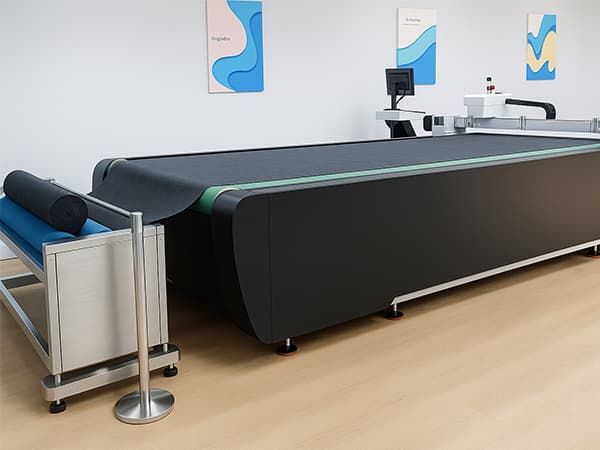
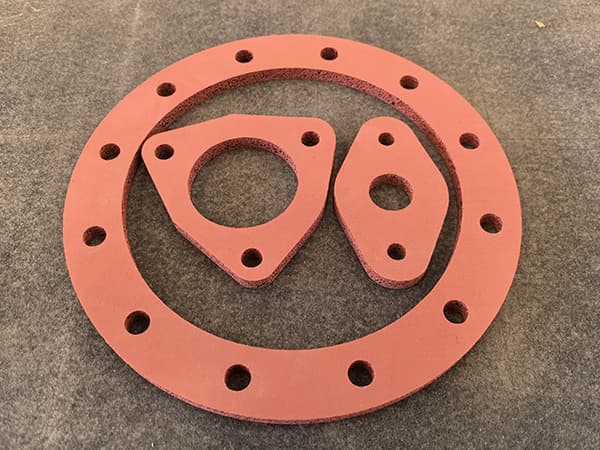
This is where CNC gasket cutting machines step in. They’re like the Swiss Army knife of gasket production. One machine, different tools, and suddenly you can handle rubber, non-asbestos, PTFE, and even graphite-reinforced sheets.


Let me show you how.

Don’t Get Stuck Later: Essential Buyer Questions for Oscillating Knife Cutting Machines

When buyers choose an oscillating knife cutting machine, many focus only on price or delivery time. They forget to ask the right questions. Later, they discover the machine cannot handle their materials, thickness, or production requirements.


At AMOR CNC, we’ve seen this happen too many times. As after-sales engineers, we know most of these problems can be avoided if you ask the right questions before you buy.


Here’s a checklist to guide you.


Why Rubber Gasket Cutting Machines Are Replacing Traditional Die-Cutting

Let’s be honest. Nobody likes waiting weeks for a new die mold to arrive, only to discover it doesn’t quite fit the gasket design. Traditional die-cutting once ruled the sealing world, but times have changed.


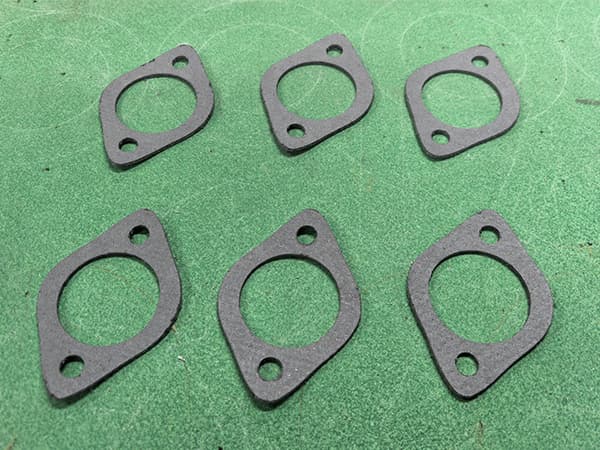
Today, rubber gasket cutting machines—CNC oscillating knife cutters—are taking over. They cut faster. They cost less. And they don’t care if your order is 10 gaskets or 10,000.


I’ll walk you through why this shift is happening. We’ll talk speed, flexibility, cost, and a few real-life examples from my customers. By the end, you’ll see why die-cutting is slowly moving toward “retirement.”


Polyester Fiber Acoustic Panel Cutting Machine vs. Laser Cutting: Which One Wins?

Polyester Fiber Acoustic Panel Cutting Machine

Polyester fiber acoustic panels are everywhere. Offices, theaters, studios, restaurants—you name it. They make spaces quieter and look stylish at the same time.


But here’s the catch: how do you cut these panels efficiently and cleanly? Two methods are common—laser cutting and CNC oscillating knife cutting machines.


On paper, both sound good. But in real life? The results are very different. Let’s break it down.


One Beam, Two Heads: How Dual-Head Oscillating Knife Cutters Double Efficiency

How Dual-Head Oscillating Knife Cutters Double Efficiency

Every factory I visit has the same headache. Customers want faster delivery. Orders are small, customized, and urgent. At the same time, bosses want lower costs and higher profit.


That’s the classic triangle: speed, quality, cost. With a traditional single-head cutting machine, you can balance two of them, but the third one suffers. Want more speed? Costs rise. Want lower cost? Speed drops.


That’s why we built something different at AMOR CNC. A dual-head oscillating knife cutting machine. Two tool heads. One beam. And a very simple promise: twice the work in the same amount of time.


Ask For A Quick Quote

We will contact you within 1 working day, please pay attention to the email with the suffix “@amorcnclaser.com”

*Your email information is completely secure and will not be disclosed to third parties for any reason.